How night vision works
Image intensification, digital low-light imaging, and thermal sensing solve different problems. Understand the signal path and the tradeoffs.
Explore the guideExplore the goggles, the science behind them, and the choices that turn night vision equipment into a useful system.
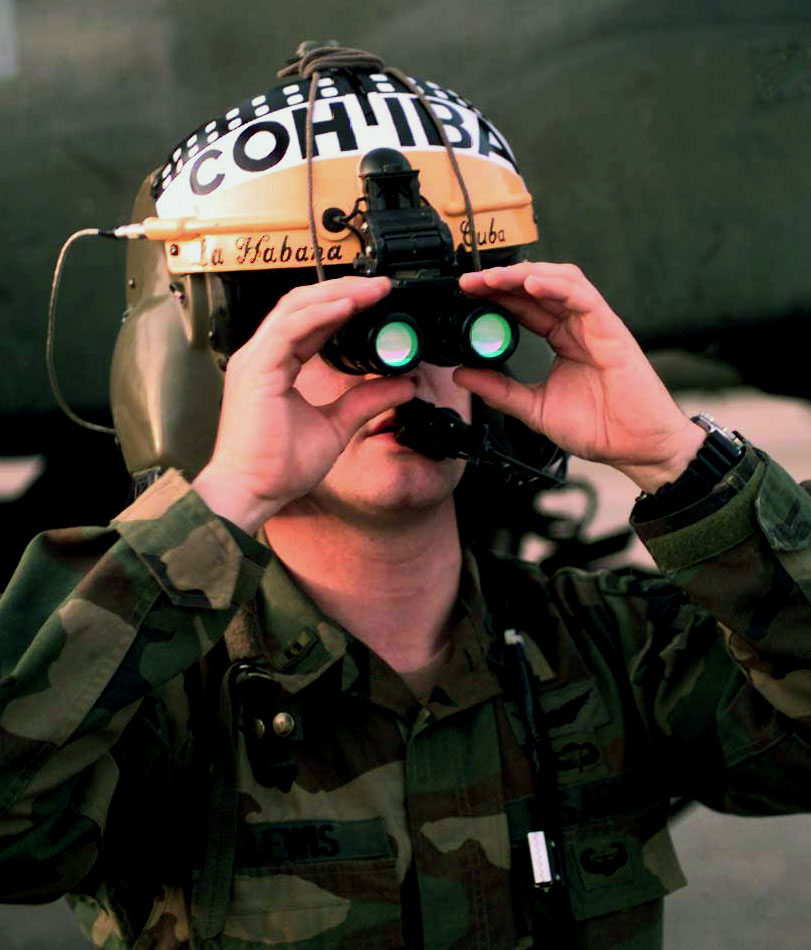
Move from a product label to the technology, configuration, and evidence that matter to your application.
Image intensification, digital low-light imaging, and thermal sensing solve different problems. Understand the signal path and the tradeoffs.
Explore the guideCompare formats, read tube data, and understand optics, mounts, accessories and the support behind the equipment.
Explore the guideFind official manufacturer starting points and prepare the configuration, documentation, support, and destination questions for a useful quote.
Explore the guideA goggle interacts with the light around it. Displays, instruments, filters, windscreens, indicators, and reflections become part of the system.
Understanding those interfaces helps manufacturers, distributors, integrators, and users ask better questions before committing to equipment.
Understand NVIS compatibilityStart with the actual receiver and viewing task. Then define what must be measured, demonstrated, and documented.
Explore the goggle-to-display interfaceMonocular, binocular, panoramic and fused systems.
Resolution, SNR, gain and what the numbers leave open.
Documentation, warranty, used equipment and support.
Source spectra, dimming, mode transitions, and stray light.
Absorbing glass, interference coatings, transmission, and leakage.
Interfaces, reflected light, material selection, and integration.
Daylight readability, night operation, and FPD.DEV solutions.
Conductive windows, mesh, ITO, and enclosure connections.
Separate environmental testing from optical compatibility.
NVIS.DEV brings night vision research together with FPD.DEV's display and optical integration work. That includes NVIS backlights, filters, bonding, enhancements, and prior experience bonding filters to sensors.
For manufacturers and distributors, it is a place to connect customers with help on the surrounding optical system.
Manufacturers & distributorsCapture the goggles, application, viewing task, environment, and evidence needed before your next engineering conversation.
Build a requirements briefUse focused tools and existing FPD.DEV courses to investigate the optical questions behind a specification.
Convert luminance units, prepare a requirements brief, or explore color and reflection with FPD.DEV tools.
Open the toolsStart with the receiver and viewing tasks, then explore color, spectra, filters, and environmental requirements.
Explore the learning pathConnect the requirements to existing FPD.DEV display families, filters, bonding, and custom development.
Explore integration